

Building Stronger, Accessible, Equitable Health Systems:
From Awareness to Action
How can healthcare organizations, communities, and leaders turn awareness into meaningful improvements in access, quality, equity, and outcomes?
At DHJ Services, the answer begins with capacity.
Sustainable healthcare transformation requires more than good ideas. It requires strong organizations, practical strategies, capable teams, effective partnerships, and the systems needed to turn plans into action.
Turning Health Awareness Into Meaningful Action
Awareness Is Only the First Step
Health awareness campaigns can help people recognize risks, understand available resources, and take action sooner. But lasting improvement requires organizations to have the capacity to respond.
That means moving beyond a campaign or one-time initiative and asking practical questions:
Systems Readiness
Does the organization have the right systems in place?
DHJ assesses the infrastructure and technology needed to support effective healthcare delivery, including connectivity, electronic health record (EHR) systems, data systems, and other essential technology.
Staff Capability
Does the organization have the right healthcare professionals and staff to meet community needs?
DHJ evaluates whether organizations have the healthcare professionals and support staff needed to meet community needs. This may include doctors, nurses, community health workers, and specialists such as cardiologists, pediatricians, and obstetrician-gynecologists (OB-GYNs).
Accessibility & Cultural Responsiveness
Can people access services in ways that meet their needs?
DHJ considers the factors that affect a community’s ability to access care, including distance, transportation, hours of operation, language access, and culturally responsive services.
Collaborative Partners
Does the organization have the right partners to connect people with the services they need?
DHJ helps organizations identify and build connections with the partners needed to create a more coordinated system of care. Partners may include clinics, hospitals, ambulance services, mobile health units, home-based care providers, and community organizations.
Outcome Measurement
DHJ supports organizations in measuring and understanding their progress through clinical measures, process measures, dashboards, data reports, and other tools that help track outcomes and identify success and areas for improvement.
Leadership Readiness
DHJ supports strong governance and leadership by helping organizations strengthen the knowledge, tools, and resources needed for effective decision-making, strategic planning, collaboration, and long-term organizational development.
Awareness creates attention. Capacity creates the ability to act.
Understanding the Needs of Different Communities
Health systems do not operate in a vacuum. People experience healthcare differently depending on geography, culture, language, socioeconomic conditions, available resources, and other factors.
For many communities, health disparities can be influenced by a range of social, historical, and structural factors. It has been recognized that health disparities may affect communities differently based on factors including geography, income, education, and other social conditions.
Effective healthcare strategy cannot rely on a one-size-fits-all state‘s, community’s, provider‘s or health plan‘s model. Organizations and policy-makers need to understand the communities they serve and design requirements and approaches that address their actual needs.
Connecting Policy, Practice, and Community Needs
Healthcare policy is only effective when it can be translated into practical implementation.
A policy may establish a goal, but organizations still need processes, workforce capacity, partnerships, data, leadership, and operational systems to make that goal achievable.
This connection between policy, practice, and community needs is where experienced healthcare consulting can make a difference.
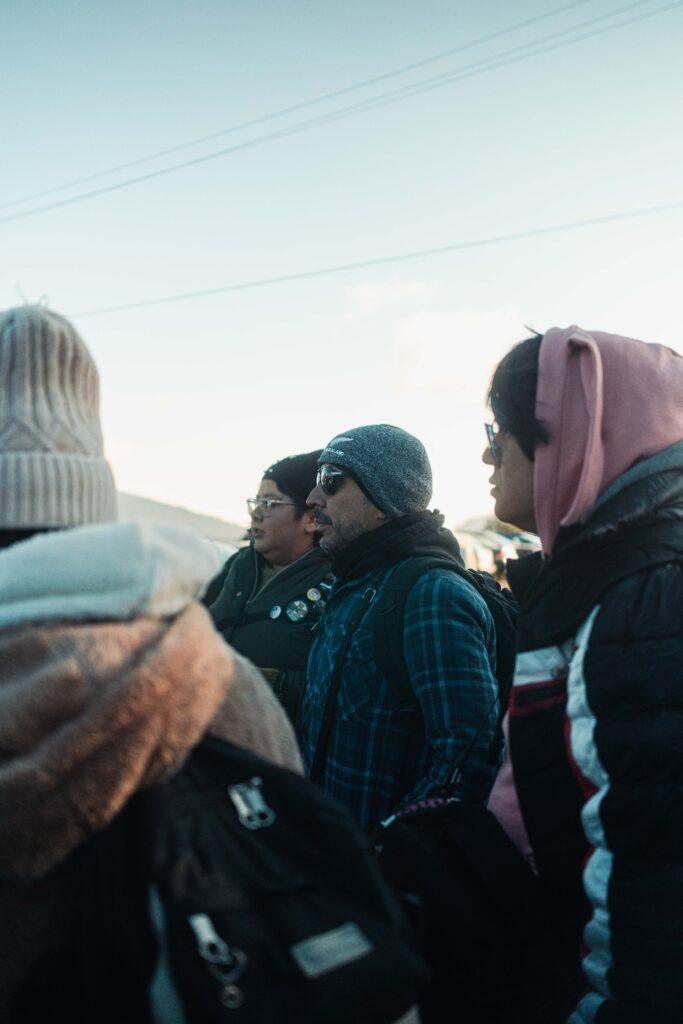
Building Capacity for Sustainable Health Outcomes
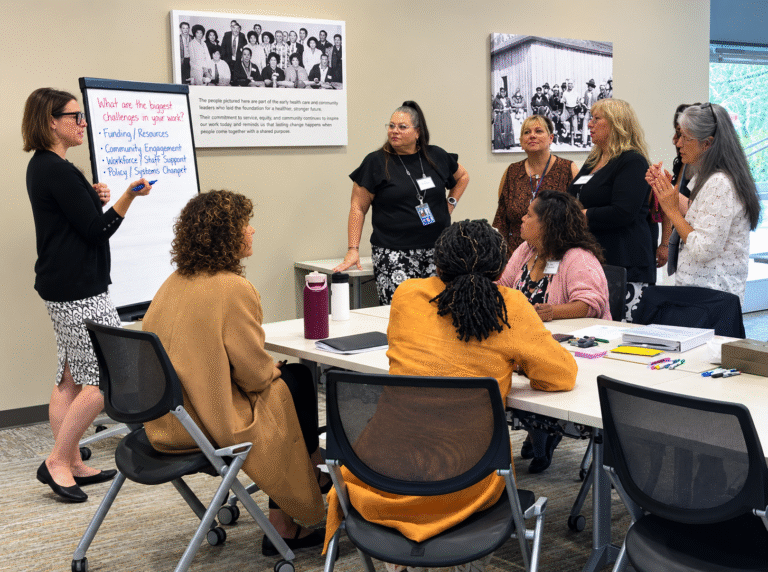
Strengthening Organizations, Not Creating Dependency
Effective consulting should leave an organization stronger than it was before the engagement.
The goal is not to create a situation where an organization continually needs outside support to move forward.
Instead, healthcare consulting should provide the strategy, tools, knowledge, guidance, and practical support needed for teams to build confidence and continue the work themselves.
This is central to the DHJ approach.
Building the Skills and Systems to Move Forward
Capacity building can include organizational development, workforce development, leadership support, strategic planning, operational readiness, technical assistance, policy implementation, performance improvement, and program development.
The specific solution depends on the organization.
For one partner, the priority may be improving operations. For another, it may be strengthening care management, preparing for a new policy requirement, improving quality performance, developing a workforce strategy, or building stronger community partnerships.
Helping Organizations Build, Grow, and Lead
DHJ Services helps organizations build the capacity to succeed—and then gives them the tools and confidence to carry that work forward.
That means working alongside leaders and teams, transferring knowledge, strengthening internal systems, and creating practical solutions that can continue beyond the consulting engagement.
DHJ Services: Across the Healthcare Ecosystem
DHJ Services brings experience across the healthcare ecosystem, including government and public-sector organizations, health plans, healthcare providers, hospitals and health systems, community-based organizations, professional organizations, Tribal and rural health, housing, and initiatives focused on Medicaid, managed care, policy, operations, workforce development, and health equity.
Medicaid, Managed Care, and State Waiver Initiatives
Medicaid, managed care, and state waiver initiatives require a strong connection between policy, quality, operations, access, implementation, and measurable performance. DHJ brings experience working across these areas, helping organizations navigate complex healthcare environments, strengthen operational capacity, support implementation, and build strategies that respond to community and system needs. This experience includes work involving Medicaid programs, managed care, state waiver initiatives, policy implementation, quality improvement, stakeholder engagement, and organizational capacity building.
Housing and Community Supports
Housing and other community supports can play an important role in the broader healthcare ecosystem, particularly when organizations are working to address the social and structural factors that influence health and access to care. DHJ recognizes the importance of connecting healthcare organizations with community resources and partners that can support more coordinated, responsive, and equitable systems of care.
Government and Public-Sector Partners
Public-sector healthcare initiatives often involve complex policies, multiple stakeholders, regulatory requirements, and competing priorities.
DHJ helps organizations translate policy and strategic goals into practical implementation while strengthening internal capacity, coordination, and organizational effectiveness.
Tribal and Rural Health
Tribal and rural communities require approaches that reflect local needs, resources, infrastructure, and community priorities. DHJ has experience supporting rural and Tribal health initiatives, including projects related to workforce development, partnership development, grant and procurement , care management, technical assistance, quality improvement, and project management. State-based Rural Health Transformation Programs also emphasize the importance of strengthening capacity and developing solutions that reflect the unique needs of rural communities. For rural and Tribal organizations, sustainable progress may require strengthening infrastructure and operations, workforce capacity, partnerships, quality improvement, and access to resources rather than applying a standard solution developed somewhere else..
Community-Based and Professional Organizations
Community-based organizations and professional associations often have deep knowledge of the populations and communities they serve. DHJ helps strengthen that knowledge through strategy, organizational development, technical assistance, workforce support, and practical tools that can improve organizational effectiveness and support sustainable growth.
Hospitals, Health Systems, Providers, and Payers
Healthcare organizations need strategies that connect clinical priorities with operations, quality, care management, performance, and organizational readiness. DHJ supports this connection by helping organizations identify opportunities, strengthen systems and processes, and develop practical approaches to complex healthcare challenges.
The DHJ Approach: Build, Equip, and Empower
Listen and Understand

Every engagement starts with understanding the organization, its people, its community, its goals, and its challenges.
Build the Strategy and Capacity

DHJ provides practical strategy, technical assistance, tools, training, systems support, and leadership guidance designed around the organization’s actual needs.
Equip the Team

Knowledge should stay with the organization.
DHJ works to transfer knowledge and strengthen internal capabilities so teams are better prepared to continue the work.
Support Sustainable Growth

The goal is not dependency.
The goal is a stronger organization with the confidence, systems, skills, and partnerships needed to keep moving forward. DHJ equips organizations with practical tools, knowledge, and strategies they can continue using long after the engagement ends.
What Healthcare Leaders Can Take Away
Start With the Community
Understand the people and communities the organization is trying to serve.
Connect Strategy to Implementation
A strong strategy only creates value when an organization has the capacity to execute it.

Invest in Organizational Capacity
Workforce, leadership, systems, partnerships, and processes are the foundation of sustainable improvement.
Measure What Matters
Connect initiatives to meaningful improvements in access, quality, equity, performance, and outcomes. Strong healthcare systems are built through collaboration, practical strategies, and sustained capacity. DHJ Services helps organizations build the foundation they need to move forward with greater confidence and independence.
Building a Healthier Future Together
Health awareness creates an important starting point. But meaningful change requires organizations that are prepared to act.
Healthcare leaders need more than recommendations. They need practical strategies, capable teams, strong partnerships, effective systems, and the confidence to move from planning to implementation.
That is where capacity building becomes critical.
DHJ Services helps organizations build the strategy, capacity, and partnerships needed to move from ideas to impact. We work alongside our partners, equip their teams, and help create the foundation for sustainable success.
Have a healthcare, policy, organizational, or community challenge you are working to solve? Let’s connect.
You ask, we answer
Quick answers to your top questions on healthcare capacity and equity.
DHJ Services aims to strengthen organizations rather than create dependency. The goal is to transfer knowledge, build internal capabilities, and equip teams with the tools and confidence to continue the work independently after the engagement ends.
DHJ Services works across government and public-sector organizations, hospitals and health systems, health plans, community-based organizations, professional associations, and rural and Tribal health programs, with a focus on Medicaid, managed care, policy, and workforce development.
Success is measured by connecting initiatives to meaningful improvements in access, quality, equity, performance, and outcomes — not just by completing a project or delivering a recommendation.
Have a healthcare, policy, or community challenge? Let’s talk.