
Building Safer Communities
Through Connection Inclusion and Prevention
Safer communities don’t happen by accident they’re built through connection, inclusion, and everyday prevention. At DHJ Services, we believe health equity means paying attention to all of these threads at once: the relationships that support wellbeing, the systems that remove barriers, the legacies that inspire service, the spaces that are designed to support independence and the everyday habits that keep people safe. This roundup brings together stories reflecting those beliefs
Building Connections for Healthier Living
The Benefit of Friendship
Friendship has the power to bridge differences, strengthen communities, and improve overall wellbeing. Recognized internationally, the value of friendship honors the idea that meaningful relationships promote peace, understanding, and cooperation across cultures, generations, and backgrounds. As an organization that respects the background, lived experience, and culture of world citizens, DHJ Services values relationships, friendship, and individual wellbeing.
Research has also shown that positive social connections can benefit both mental and physical health by reducing stress, improving resilience, and encouraging healthier lifestyle habits.
Ways to celebrate connection in everyday life:
- Reach out to a friend you haven't spoken to in a while
- Perform a random act of kindness for someone in your community
- Spend quality time with family, friends, or coworkers
- Share a kind word, hug or affirmation with your friends
-
Encourage inclusion by inviting
someone new into a conversation or activity - Express appreciation to people who have positively impacted your life
Belonging by Design Supporting People with Disabilities
The Americans with Disabilities Act (ADA) stands as one of the most significant civil rights laws in the United States. Signed into law in 1990, the ADA prohibits discrimination against individuals with disabilities and promotes equal access to employment, education, transportation, public accommodations, healthcare, and government services.
More than three decades later, the ADA continues to shape workplaces, schools, healthcare settings, and public spaces by encouraging accessibility and removing unnecessary barriers. While significant progress has been made, ongoing efforts remain essential to ensure that every individual can participate fully and independently in their communities.
Accessibility extends beyond physical spaces it also includes communication, technology, digital resources, and inclusive policies that allow everyone to engage with confidence and dignity.
Why the ADA Matters
| Impact Area | What It Supports |
|---|---|
| Employment & Education | Equal opportunity to work and learn |
| Healthcare | Accessible healthcare and community services |
| Independence | Full participation in everyday life |
| Workplaces | More inclusive environments and practices |
| Dignity | Respectful treatment of every individual |
Regardless of how things change from a policy perspective, doing what’s right for individuals and communities and making accommodations supports accessibility and equity in care.
Building Community That Enables People to Age and Thrive Where They Live
As communities across the country grow older, we must ask whether our neighborhoods, services, and systems will allow people to remain connected, healthy, safe, and valued as they age.
For older adults, people with disabilities, and other vulnerable community members, aging in place is only possible when communities are designed to support it. A home may be affordable, but it cannot fully support wellbeing if its resident cannot reach a doctor, afford nutritious food, navigate stairs safely, access transportation, or maintain meaningful social connections.
At the intersection of housing, health, and equity, community building must focus on the conditions that help people thrive not merely survive.
Housing Is a Foundation for Health
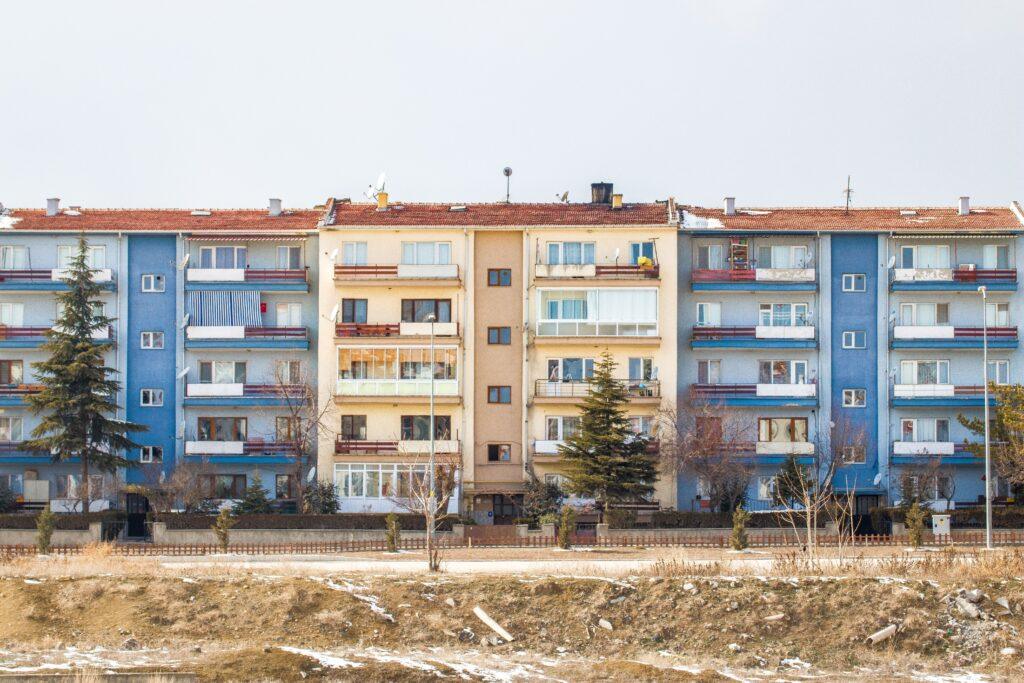
Safe, stable, accessible housing is one of the strongest predictors of health and independence. Yet many older adults live in homes that no longer meet their physical needs, carry unaffordable maintenance costs, or sit far from essential services.

Communities can respond by,expanding a range of housing options, including
- Affordable, accessible apartments near transit, healthcare, grocery stores, and community spaces
- Home repair and modification programs that support ramps, grab bars, improved lighting, and other safety features
- Mixed-income and intergenerational developments that reduce isolation and strengthen social ties
- Supportive housing models that pair stable homes with on-site or coordinated health and social services
- Protections against displacement so longtime residents can remain in the communities they helped build
Housing policy is health policy. When residents can stay safely housed, they are better positioned to manage chronic conditions, avoid preventable hospital visits, and maintain independence.
Connection Is Essential Infrastructure
Social isolation has serious consequences for physical and mental health, particularly among older adults and people with limited mobility. Building community means investing not only in buildings and programs, but also in relationships.
A truly age-friendly community makes connection easier. It provides welcoming public spaces, accessible sidewalks, reliable transportation, opportunities for volunteering and civic participation, and programs that bring generations together. Community centers, libraries, faith organizations, neighborhood groups, and resident-led networks all have an important role to play.
For example, a housing development that includes shared gathering space, service coordination, transportation support, and resident programming can do more than provide homes. It can create a network of belonging that helps residents remain active and supported.
Equity Must Shape Every Decision
Not everyone experiences aging in the same way. Historic disinvestment, housing discrimination, income inequality, language barriers, unequal access to healthcare, and the digital divide can leave some residents at greater risk of isolation, displacement, and poor health.
An equitable approach begins by listening to the people most affected. Older adults, caregivers, people with disabilities, low-income residents, and communities of color must help define both the challenges and the solutions. Their experiences should inform planning, program design, investment priorities, and measures of success.
Equity also requires attention to affordability. A community cannot call itself age-friendly if longtime residents are priced out as investments arrive. Efforts to improve neighborhoods must be paired with strategies that preserve affordable housing, strengthen tenant protections, support homeowners, and ensure that public investments benefit existing residents.
A Shared Responsibility
The strongest partnerships move beyond siloed solutions. They connect housing with healthcare, transportation with accessibility, and community development with resident leadership. They measure success not only by units built or services delivered, but by whether people feel safe, connected, healthy, and able to remain in the places they call home.
Building Stronger, More Inclusive Communities Together
Connection, accessibility, service, and prevention are not separate ideas — they are all part of the same commitment to health equity. At DHJ Services, we believe safer communities are built when people feel included, supported, and protected, and when organizations take the everyday steps needed to make that possible.
You Ask,We Answer
Straight answers to the questions we hear most about accessibility, service, and everyday safety.
Q: How does social connection actually affect physical health?
Research shows that strong relationships can reduce stress and improve resilience, which in turn supports better physical health outcomes — connection isn’t just an emotional benefit, it’s a measurable one.