
Strengthening,
Health, Access, and Equity in Rural and Tribal Communities
Health, access, and well-being are strengthened together, community by community. At DHJ Services, we believe effective healthcare means considering the needs of individuals and populations, including maternal health, the safety-net providers people rely on, whole-person wellness, and the voices and leadership of the communities being served. This roundup brings together five stories reflecting that approach, with a particular focus on rural, underserved, and Tribal communities.
Supporting Maternal
and Infant Health
Supporting maternal and infant health means recognizing breastfeeding support as part of a broader commitment to families. While breastfeeding can provide important health benefits, families must have equitable access to education, healthcare providers, lactation support, supplies, and community resources that allow them to make informed decisions based on their individual needs.
Access to these services can be especially challenging in rural and underserved communities, where healthcare workforce shortages, geographic barriers, and limited availability of specialized maternal health services may affect families before and after childbirth.
This is also an opportunity to recognize the ongoing work needed to address maternal health disparities. Improving outcomes requires equitable and culturally responsive care, trusted community partnerships, and systems that support parents throughout pregnancy, postpartum, and beyond.
Why It Matters
- Access to maternal and infant health services can vary significantly across rural and underserved communities
- Breastfeeding support is most effective when families have access to trusted healthcare providers and community resources
- Maternal health disparities demonstrate the need for equitable and culturally responsive systems of care
- Community-based partnerships can help connect families with education, services, and ongoing support
- Strengthening maternal health contributes to healthier families and stronger communities
The Role of
Community Health Centers
Community health centers play a critical role in ensuring that individuals and families have access to quality, affordable, and comprehensive healthcare. For many rural and underserved communities, these organizations serve as an essential source of primary care, preventive services, behavioral healthcare, dental services, care coordination, and other critical supports.
These dedicated professionals and organizations work to reduce barriers to care and improve health outcomes. Their work is especially important in communities facing provider shortages, geographic isolation, transportation challenges, and other obstacles that can limit access to essential healthcare services.
By delivering patient-centered and community-based care, health centers help strengthen the overall health and resilience of the communities they serve.
Community Impact
Expand access to comprehensive primary and preventive healthcare
Support the integration of physical health, behavioral health, and social services
Address barriers affecting rural, underserved, and historically marginalized communities
Connect individuals and families with coordinated care and community resources
Strengthen local healthcare systems through partnerships and community-centered solutions
Whole-Person Wellness
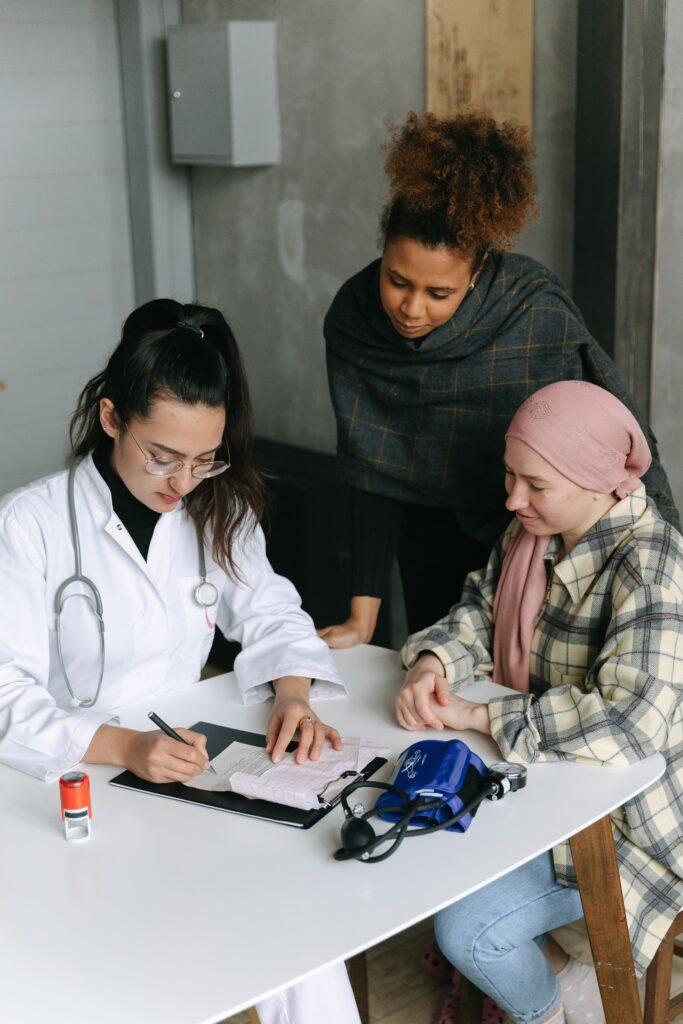
Wellness extends beyond physical health. Supporting whole-person care means recognizing the importance of mental, emotional, social, and physical well-being, while connecting individuals with practical resources and accessible systems of care.
For rural and underserved communities, achieving wellness can be influenced by factors such as access to healthcare providers, behavioral health services, transportation, economic stability, and community resources. A whole-person approach recognizes that improving health outcomes requires addressing both individual needs and the broader conditions that affect wellbeing.
| Pillar | Focus |
|---|---|
| Physical Wellness | Preventive care, movement, nutrition, healthy lifestyles |
| Mental & Emotional Wellness | Behavioral health services, stress management, supportive resources |
| Social Wellness | Meaningful connections, community support systems |
| Community Wellness | Access, inclusion, safety, and opportunity |
| Workforce Wellness | Supporting healthcare and community-based professionals |
Strengthening wellness also means expanding access to preventive care and creating communities where individuals and families have the resources and support they need to thrive.
Honoring Indigenous Communities
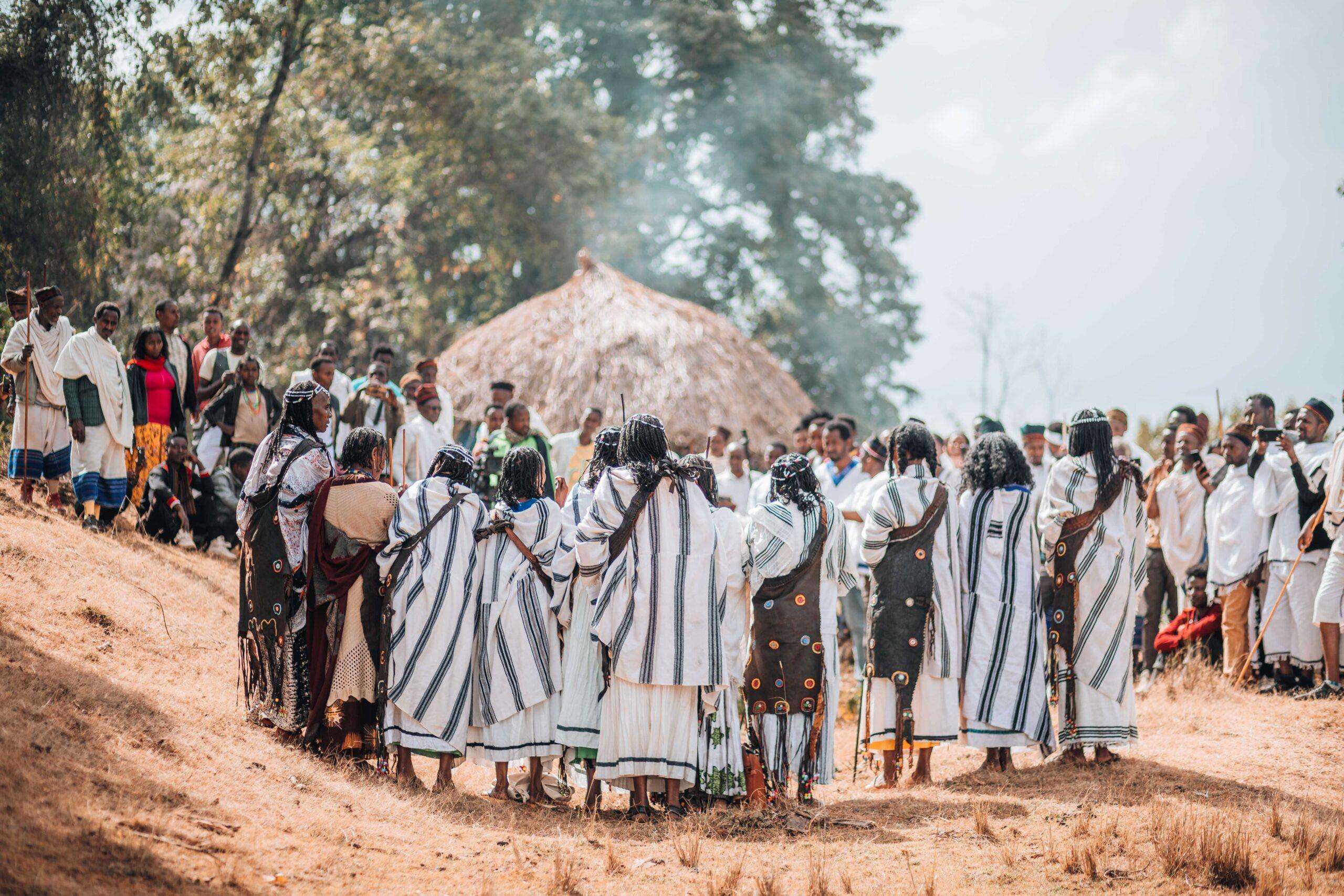
Recognized annually, this observance honors the rich cultures, histories, languages, knowledge, and contributions of Indigenous communities around the world.
For organizations working alongside tribal and Indigenous communities, this is also an opportunity to reflect on the importance of meaningful partnership, cultural responsiveness, and respect for tribal sovereignty and self-determination. Improving health and wellbeing in tribal communities requires approaches that are developed in collaboration with the communities being served ones that recognize the strengths, knowledge, traditions, and leadership that already exist within tribal communities.
As healthcare organizations, community partners, and service providers continue working to advance health equity, it is important to create space for Indigenous voices, perspectives, and leadership in the development of programs and services.
Reflect and Learn
History & Culture
Recognize the histories, cultures, and enduring contributions of Indigenous Peoples
Tribal Communities
- Learn about the tribal communities and nations connected to the regions where you live and work
Sovereignty
Recognize and respect tribal sovereignty and self-determination
Support Cultural
Support culturally responsive and community-centered approaches to healthcare and wellness
Colaboration
- Build partnerships through listening, collaboration, and shared decision-making
Leadership
Amplify Indigenous leadership, knowledge, and community priorities
CEO and Learn
At DHJ Services, we believe meaningful innovation begins with recognizing the distinct strengths, needs, and realities of the communities we serve. Wellness is not defined solely by clinical care. It is shaped by connection, trust, stable resources, accessible services, and a community’s ability to support its members across every stage of life.
This is especially important in rural and frontier communities. While healthcare systems often look to urban models for innovation, the solutions that work in cities do not always translate directly to areas with long travel distances, limited broadband, workforce shortages, fewer service locations, and inconsistent transportation. In these settings, an approach that may be routine in an urban environment such as virtual care, mobile services, community health worker outreach, integrated behavioral health, or coordinated referrals — can represent a transformative innovation.
Innovation in rural and frontier communities is not simply about introducing new technology. It is about making care more reliable, connected, and responsive. It means designing services around the realities people face: the distance to the nearest provider, the availability of specialists, the capacity of local organizations, and the practical barriers that can prevent someone from receiving timely care.
Our work must also recognize the essential role of community. Local providers, community-based organizations, faith leaders, schools, caregivers, first responders, and neighbors often serve as the trusted connective tissue of rural health and wellness. When these partners are equipped with the right resources, communication channels, and care-coordination structures, they can help close gaps that no single healthcare organization can address alone.
The team at DHJ Services is committed to advancing practical, community-centered approaches that integrate physical health, behavioral health, social supports, and local knowledge. We believe care coordination must be flexible enough to meet people where they are whether that is through a clinic, a mobile unit, a trusted community partner, a virtual visit, or a home-based connection.
The future of care depends on our willingness to view rural and frontier communities not as an afterthought, but as essential partners in designing better systems. By recognizing wellness, investing in community capacity, and embracing locally relevant innovation, we can build more equitable, connected, and sustainable pathways to care for everyone.
Have you opted in to participate in your state’s rural health transformation program? Interested in our support? Contact us — let’s see if we’re a fit for you.
CEO
Dawn Hawkins Johnson
we’re here to all your questions
Straight answers to the questions we hear most about rural health, access, and community wellness.
Q: Why is maternal health support especially challenging in rural areas?
Rural and underserved communities often face healthcare workforce shortages, geographic barriers, and limited access to specialized maternal health services, which can affect families throughout pregnancy, postpartum, and early childhood.
Q: What makes community health centers different from other healthcare providers?
Community health centers deliver patient-centered, community-based care that integrates primary care, behavioral health, dental services, and care coordination — often serving as the primary access point for rural and underserved populations.
Q: What does "whole-person wellness" actually include?
It includes physical, mental, emotional, social, community, and workforce wellness — recognizing that health outcomes depend on more than clinical care alone, including access to resources, transportation, and economic stability.
Q: Why does rural health innovation look different from urban innovation?
Let's Connect
Have a healthcare, policy, or community challenge? Let’s talk.
Have a healthcare, policy, organizational, or community challenge you’re working to solve? Reach out to DHJ Services — we’re here to help.